
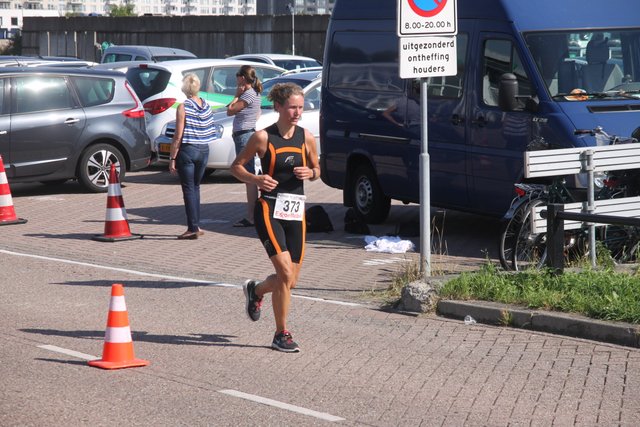
The concept itself is simple enough: walk more, work in short running intervals, cover roughly 5 kilometers by around week nine. The part that actually derails people isn't the running — it's showing up each day with a prescription instead of just a mood you're hoping shows up.
"Go for a run" isn't a plan, no matter how good your intentions are. A plan has exact run-walk ratios, a clear sense of which days are hard and which are recovery, and a definition of what "done" looks like today specifically.
Week 1: Build the Habit Before the Mileage
This assumes three training days a week, about three hours total. If you're starting from mostly sedentary but otherwise healthy, here's where to begin:
Monday — baseline walk. A brisk 20-minute walk, no running involved. Pay attention to your route and your shoes. The actual goal here is establishing a default time slot you'll come back to.
Wednesday — run/walk intervals. Run for 1 minute, walk for 2, repeat five times — about 25 minutes total. Keep the running slow enough that you could hold a conversation in short sentences.
Friday — same structure, a little more confidence. Same 1:2 pattern as Wednesday. You're aiming for steadier form here, not longer intervals — that comes later.
Saturday — recovery. A 30-minute walk at an easy pace. This is where adaptation actually happens, not a free pass to skip the week.
Three Rules That Keep You on Track
Miss a day, don't quit the week. Just do the next scheduled session. Never restart from zero — that's usually what actually kills these plans, not the missed day itself.
Slower is faster. If Friday feels brutal, stay at Wednesday's pace for another week rather than pushing through. Nobody who's still running in month three got there by rushing week one.
Log one sentence after each session. "Felt tight calves" is worth more than you'd think — it beats forgetting entirely why you skipped Monday three weeks from now.
When You Are Ready for Week 2
Week 2 typically lengthens run intervals (e.g. 90 seconds run / 2 minutes walk). Progress when Week 1 feels boring, not when it feels heroic.
For missed-day rules and a guilt-light approach, see the Couch to 5K template.
Get a Personalized Plan in Under 2 Minutes
If you want daily tasks scheduled for your availability — not a generic PDF — try FocusAI's couch to 5K plan generator. Type your goal, get Week 1 tasks you can check off, and adjust as you go.
You can also browse Couch to 5K and fitness goal templates for marathon prep, strength, and habit goals.